Search Result for:

Edit Template

Search Result for:

Edit Template

Search Result for:

Edit Template

NEW CUSTOMER SPECIAL – GET 15% OFF PAIN RELIEF PRODUCTS FREE EXPRESS SHIPPING ON ALL PAIN RELIEF ORDERS FAST & DISCREET USA PAIN RELIEF DELIVERY LIMITED TIME PAIN RELIEF DEALS – SHOP NOW

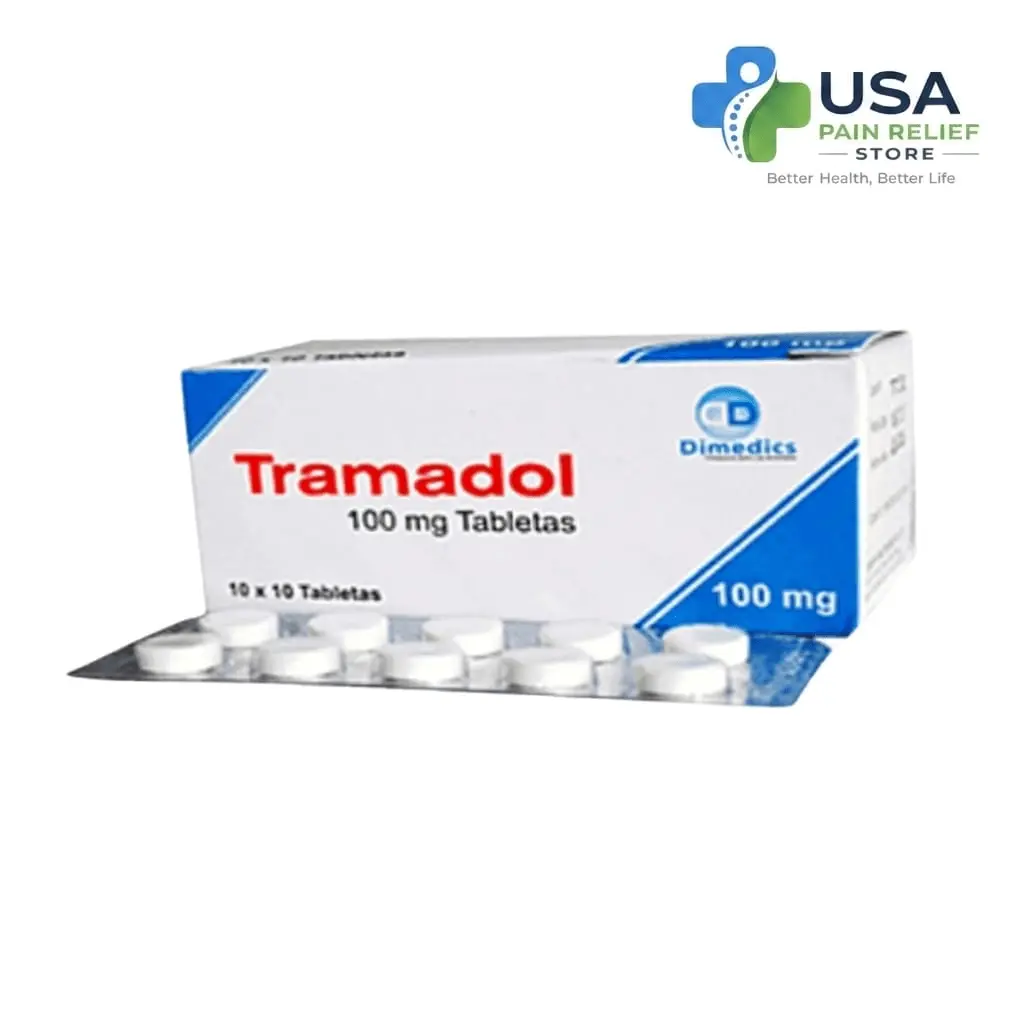
Tramadol 100mg Tablets

☆☆☆☆☆
(0 customer reviews)
Price range: $299.00 through $799.00

Tramadol is a prescription opioid analgesic used to manage moderate to moderately severe pain in adults. It works centrally in the brain to change how the body feels and responds to discomfort. Commonly marketed under the brand name Mitidol-Trakem, it carries risks of dependency, misuse, and notable side effects.

What is Tramadol?

Tramadol is a centrally acting, synthetic opioid analgesic prescribed for the management of acute or chronic moderate to moderately severe pain.
As a dual-mechanism medication, it operates uniquely compared to traditional opioids. It binds weakly to the central mu-opioid receptors to alter the brain's perception of pain. Concurrently, it inhibits the reuptake of two key neurotransmitters: norepinephrine and serotonin. This dual action enhances the body's natural pain-inhibitory pathways, making it highly effective for post-surgical recovery, severe injury management, and certain chronic pain conditions.
In clinical practice, tramadol is widely recognised under brand names like Trakem and Mitidol (a combination formula with acetaminophen). While classified as a Schedule IV controlled substance in the United States—indicating a lower perceived risk of dependence than Schedule II opioids like oxycodone—it still carries strict box warnings. Clinicians must closely monitor patients for risks of misuse, physical dependency, and life-threatening respiratory depression.
Furthermore, due to its serotonergic activity, tramadol presents a critical risk of serotonin syndrome, particularly when co-administered with antidepressants or other serotonergic agents. Common adverse effects include dizziness, nausea, constipation, somnolence, and a lowered seizure threshold in vulnerable individuals.

Proper use of Tramadol

Here are the standard clinical guidelines for the proper use of Tramadol:

  • Take exactly as prescribed by your healthcare provider.
  • Never increase your dose or take it more frequently than instructed.
  • Do not crush, break, or chew extended-release tablets, as this can cause a fatal overdose.
  • Swallow extended-release formulations whole with a full glass of water.
  • Measure liquid doses carefully using a medical dosing device, never a household spoon.
  • Take with or without food, but maintain consistency with how you take each dose.
  • Do not abruptly stop taking Tramadol, as this can trigger severe withdrawal symptoms.
  • Avoid drinking alcohol while taking this medication, as it significantly increases the risk of dangerous respiratory depression.
  • Check your other medications to avoid dangerous interactions, especially with anti-anxiety drugs, muscle relaxants, or antidepressants.

Side Effects of Tramadol

These effects occur frequently as the body adjusts to the medication and typically do not require immediate emergency medical attention unless they persist or worsen:
  • Gastrointestinal Distress: Nausea, vomiting, constipation, dyspepsia (indigestion), and dry mouth.
  • Central Nervous System (CNS) Effects: Dizziness, somnolence (severe drowsiness), fatigue, headache, and generalized weakness.
  • Dermatologic and Systemic: Pruritus (itching), hyperhidrosis (excessive sweating), and orthostatic hypotension (dizziness when standing up).

Serious & Severe Adverse Effects

  • Respiratory Depression: Significantly slowed or shallow breathing, especially dangerous during initial dosing, titration, or when combined with other CNS depressants.
  • Serotonin Syndrome: A potentially life-threatening condition caused by excess serotonin activity. Symptoms include mental status changes (agitation, hallucinations), neuromuscular hyperactivity (tremor, rigidity, hyperreflexia), and autonomic instability (tachycardia, hyperthermia).
  • Seizures / Lowered Seizure Threshold: Can occur even at recommended therapeutic doses, with risk exponentially elevated in patients taking concurrent antidepressants, neuroleptics, or those with a history of epilepsy.
  • Dependence and Tolerance: Prolonged therapeutic use leads to physical adaptation, resulting in severe withdrawal symptoms (anxiety, tremors, sweating, insomnia) if stopped abruptly.
  • Opioid Use Disorder (OUD): Psychological addiction, compulsive drug-seeking behavior, and misuse despite known adverse social or health outcomes.

Adult Dosing Guidelines of Tramadol

Tramadol dosages must be individualized based on pain severity, patient response, and prior analgesic experience. To minimize adverse effects—particularly nausea and dizziness—dosing should initiate at the lowest effective dose and titrate gradually.
Formulation Initial Dosage Titration Schedule Maximum Daily Limit
Immediate-Release (IR)
(Tablets / Oral Solution)
25 mg to 50 mg oral bolus every 4 to 6 hours as needed for pain. May increase by 25 mg to 50 mg increments every 3 days as tolerated. 400 mg per day.
Extended-Release (ER)
(24-Hour Capsules/Tablets)
100 mg orally once daily. May titrate upward by 100 mg increments every 5 days if necessary. 300 mg per day.

Storage Guide

  • Store at controlled room temperature between 68°F and 77°F (20°C to 25°C).
  • Keep away from moisture and excessive humidity by avoiding bathroom medicine cabinets.
  • Protect the medication from direct sunlight and high heat sources.
  • Store out of sight and reach of children, teenagers, and household pets.
  • Do not store liquid formulations in the freezer or expose them to sub-zero temperatures.
  • Keep inside the original container with the child-resistant cap tightly secured.
  • Inventory your medication regularly to monitor the exact count and quickly identify missing pills.
  • Secure in a locked cabinet or lockbox to prevent unauthorized access, theft, or diversion.

 FAQ – Q&A

  • Q: What is Tramadol used for?
  • A: Tramadol is a prescription medication used to manage moderate to moderately severe pain in adults.
  • Q: How does Tramadol work to stop pain?
  • A: It works in the brain by binding to opioid receptors and changing how your body perceives and responds to pain.
  • Q: Is Tramadol considered a narcotic or opioid?
  • A: Yes, Tramadol is a synthetic opioid analgesic and is classified as a controlled substance due to risks of misuse.
  • Q: How long does it take for Tramadol to start working?
  • A: Immediate-release formulations typically begin to relieve pain within a short period after oral administration.
  • Q: What should I do if I miss a dose of Tramadol?
  • A: Consult your prescribing healthcare provider or pharmacist for specific instructions regarding missed doses, and avoid taking extra medication to make up for a missed amount.
  • Q: Can pregnant women take Tramadol?
  • A: Tramadol is generally not recommended during pregnancy as it can cause life-threatening opioid withdrawal symptoms in the newborn baby.

Disclaimer

The information provided on this website regarding Tramadol is for general educational and informational purposes only. It is not intended to substitute for professional medical advice, diagnosis, treatment, or clinical judgment. Never disregard professional medical advice or delay seeking it because of something you have read here. Always consult with a qualified healthcare provider, pharmacist, or physician before initiating, altering, or discontinuing any medication regimen, or if you suspect you have a medical problem. Reliance on any information provided on this platform is solely at your own risk. MORE
Description

What is Tramadol?

Tramadol is a centrally acting, synthetic opioid analgesic prescribed for the management of acute or chronic moderate to moderately severe pain.

As a dual-mechanism medication, it operates uniquely compared to traditional opioids. It binds weakly to the central mu-opioid receptors to alter the brain’s perception of pain. Concurrently, it inhibits the reuptake of two key neurotransmitters: norepinephrine and serotonin. This dual action enhances the body’s natural pain-inhibitory pathways, making it highly effective for post-surgical recovery, severe injury management, and certain chronic pain conditions.
In clinical practice, tramadol is widely recognised under brand names like Trakem and Mitidol (a combination formula with acetaminophen). While classified as a Schedule IV controlled substance in the United States—indicating a lower perceived risk of dependence than Schedule II opioids like oxycodone—it still carries strict box warnings. Clinicians must closely monitor patients for risks of misuse, physical dependency, and life-threatening respiratory depression.
Furthermore, due to its serotonergic activity, tramadol presents a critical risk of serotonin syndrome, particularly when co-administered with antidepressants or other serotonergic agents. Common adverse effects include dizziness, nausea, constipation, somnolence, and a lowered seizure threshold in vulnerable individuals.

Proper use of Tramadol

Here are the standard clinical guidelines for the proper use of Tramadol:

  • Take exactly as prescribed by your healthcare provider.
  • Never increase your dose or take it more frequently than instructed.
  • Do not crush, break, or chew extended-release tablets, as this can cause a fatal overdose.
  • Swallow extended-release formulations whole with a full glass of water.
  • Measure liquid doses carefully using a medical dosing device, never a household spoon.
  • Take with or without food, but maintain consistency with how you take each dose.
  • Do not abruptly stop taking Tramadol, as this can trigger severe withdrawal symptoms.
  • Avoid drinking alcohol while taking this medication, as it significantly increases the risk of dangerous respiratory depression.
  • Check your other medications to avoid dangerous interactions, especially with anti-anxiety drugs, muscle relaxants, or antidepressants.

Side Effects of Tramadol

These effects occur frequently as the body adjusts to the medication and typically do not require immediate emergency medical attention unless they persist or worsen:
  • Gastrointestinal Distress: Nausea, vomiting, constipation, dyspepsia (indigestion), and dry mouth.
  • Central Nervous System (CNS) Effects: Dizziness, somnolence (severe drowsiness), fatigue, headache, and generalized weakness.
  • Dermatologic and Systemic: Pruritus (itching), hyperhidrosis (excessive sweating), and orthostatic hypotension (dizziness when standing up).

Serious & Severe Adverse Effects

  • Respiratory Depression: Significantly slowed or shallow breathing, especially dangerous during initial dosing, titration, or when combined with other CNS depressants.
  • Serotonin Syndrome: A potentially life-threatening condition caused by excess serotonin activity. Symptoms include mental status changes (agitation, hallucinations), neuromuscular hyperactivity (tremor, rigidity, hyperreflexia), and autonomic instability (tachycardia, hyperthermia).
  • Seizures / Lowered Seizure Threshold: Can occur even at recommended therapeutic doses, with risk exponentially elevated in patients taking concurrent antidepressants, neuroleptics, or those with a history of epilepsy.
  • Dependence and Tolerance: Prolonged therapeutic use leads to physical adaptation, resulting in severe withdrawal symptoms (anxiety, tremors, sweating, insomnia) if stopped abruptly.
  • Opioid Use Disorder (OUD): Psychological addiction, compulsive drug-seeking behavior, and misuse despite known adverse social or health outcomes.

Adult Dosing Guidelines of Tramadol

Tramadol dosages must be individualized based on pain severity, patient response, and prior analgesic experience. To minimize adverse effects—particularly nausea and dizziness—dosing should initiate at the lowest effective dose and titrate gradually.
Formulation Initial Dosage Titration Schedule Maximum Daily Limit
Immediate-Release (IR)
(Tablets / Oral Solution)
25 mg to 50 mg oral bolus every 4 to 6 hours as needed for pain. May increase by 25 mg to 50 mg increments every 3 days as tolerated. 400 mg per day.
Extended-Release (ER)
(24-Hour Capsules/Tablets)
100 mg orally once daily. May titrate upward by 100 mg increments every 5 days if necessary. 300 mg per day.

Storage Guide

  • Store at controlled room temperature between 68°F and 77°F (20°C to 25°C).
  • Keep away from moisture and excessive humidity by avoiding bathroom medicine cabinets.
  • Protect the medication from direct sunlight and high heat sources.
  • Store out of sight and reach of children, teenagers, and household pets.
  • Do not store liquid formulations in the freezer or expose them to sub-zero temperatures.
  • Keep inside the original container with the child-resistant cap tightly secured.
  • Inventory your medication regularly to monitor the exact count and quickly identify missing pills.
  • Secure in a locked cabinet or lockbox to prevent unauthorized access, theft, or diversion.

 FAQ – Q&A

  • Q: What is Tramadol used for?
  • A: Tramadol is a prescription medication used to manage moderate to moderately severe pain in adults.
  • Q: How does Tramadol work to stop pain?
  • A: It works in the brain by binding to opioid receptors and changing how your body perceives and responds to pain.
  • Q: Is Tramadol considered a narcotic or opioid?
  • A: Yes, Tramadol is a synthetic opioid analgesic and is classified as a controlled substance due to risks of misuse.
  • Q: How long does it take for Tramadol to start working?
  • A: Immediate-release formulations typically begin to relieve pain within a short period after oral administration.
  • Q: What should I do if I miss a dose of Tramadol?
  • A: Consult your prescribing healthcare provider or pharmacist for specific instructions regarding missed doses, and avoid taking extra medication to make up for a missed amount.
  • Q: Can pregnant women take Tramadol?
  • A: Tramadol is generally not recommended during pregnancy as it can cause life-threatening opioid withdrawal symptoms in the newborn baby.

Disclaimer

The information provided on this website regarding Tramadol is for general educational and informational purposes only. It is not intended to substitute for professional medical advice, diagnosis, treatment, or clinical judgment. Never disregard professional medical advice or delay seeking it because of something you have read here. Always consult with a qualified healthcare provider, pharmacist, or physician before initiating, altering, or discontinuing any medication regimen, or if you suspect you have a medical problem. Reliance on any information provided on this platform is solely at your own risk.

MORE

Additional information

Quantity

90 Pills, 180 Pills, 360 Pills

Reviews

There are no reviews yet.

Be the first to review “Tramadol 100mg Tablets”

Your email address will not be published. Required fields are marked *

SKU: N/A Category: Tags: , , Brand: ,

USA Pain Relief Store helps customers buy best pain relief products online with secure ordering, discreet packaging, fast delivery, and trusted customer support across the USA, UK, EU, and Australia.

Shop

All Collections

Winter Edition

Discount

Company

About Us

Contact

Affiliates

Shop

FAQs

Cookie Policy

Terms of Use

Contact Info

+1 (503) 269-2999

Payment Methods

Contact Info

Professional customer support available anytime via email and phone assistance.

📧 customerhelp@usapainreliefstore.com
📞 +1 (503) 269-2999


© 2026 USA Pain Relief Store. All Rights Reserved.